
For groups that want to be a comfort to those facing challenges in the community, you may be wondering how to start a Meal Train.
Meals are one thing we often take for granted, but when you’re facing the extra stress of an accident, illness, or injury, having them provided can go a long way to help with recovery.
On the other hand, even during times of celebration, such as welcoming a new baby (and the recovery that comes along with it!), a warm meal provided by the community can be an appreciated gesture.
If you want to make sure your intentions match the recipient’s needs, make sure to continue reading. We’ll cover how to start a meal train, common mistakes, and how to be organized in your ministry.
If your church wants to help new parents, someone recovering from illness, or a whole family facing life’s disruptions, the goal is simple: lower stress for everyone involved, not raise it.
How to Start a Meal Train Without Repeating Common Mistakes
A lot of meal train work goes wrong in familiar ways. The church means well, yet the system is not set up to necessarily serve the people who are on the receiving end.
Instead, those people may end up with food they can’t (or won’t) eat, having to struggle at the last minute to find a meal, or being pestered by well-meaning participants.
Dropping off food without asking what the family member actually needs
Churches often assume a warm meal is always the best way to help. Sometimes it is. Sometimes it really isn’t.
A home with a new baby may need breakfast casseroles, sandwich fixings, snack foods, freezer meals, or simple meal options that work one-handed.
A grieving family might want a gift card for takeout instead of a bunch of mystery casseroles.
Someone after surgery may need small, balanced lunch portions, not rich comfort food. And yes, comfort food is not universal, and chicken soup doesn’t fit every home.
Start with the basics. Ask about food preferences, dietary restrictions, dietary preferences, allergies, meal types, and whether meal deliveries are even the most important thing right now. Some homes need pet care, school pickup, or grocery runs more than lasagna.
Turning a simple gift into extra work for new parents or grieving families
This one is common, and it’s avoidable. Too many containers, vague delivery times, constant texts, and surprise visits turn a kind intention into a recovering person having to perform gratitude.
The last thing people need during a challenging time is more things to do or think about. If every volunteer asks different questions, the family ends up having to manage them, field calls and texts, and add even more to their plate.
Keep reading for tips on how to manage well-meaning volunteers so they are actually helping.
Making the meal train page about the helpers instead of the people receiving help
A meal train page should not become a stage. Public comments, oversharing, and too many updates can pull focus away from the people receiving help.
Unfortunately, there’s a common occurrence where church culture rewards visible performance. And, unfortunately, it takes the focus away from the people who are supposed to be served.
The main content of a good meal train page should stay short, useful, and private. Share only what the family agrees to share. Keep details minimal. Ask for consent before posting anything personal.
How to Start a Meal Train That’s Respectful, Useful, and Easy to Join
If you’re wondering how to start a meal train without chaos, think of it like setting a table. You don’t dump every dish in the middle and hope for the best. You place what people can actually use, in the order that makes sense.
Start with one clear point person and a short needs check
Pick one coordinator first. That person could be a close friend, a church leader, or a trusted family member. One person gathers the facts and acts as the point person to field any follow-up questions or needs.
Ask simple questions, like:
- What are the food preferences?
- Are there dietary restrictions or allergies?
- How many people are in the home?
- What are the best times for drop-off?
- Which delivery times work, and which don’t?
- Do they want porch drop-off?
- Do they want contact at all?
- Are meals the most important thing, or would additional help matter more?
Having this short check-in with the recipient saves everyone so much headache, hassle, and confusion as things go on. It centers the needs of the recipient, showing that it’s about providing care and not just making a show of good deeds, which is always a good idea.
Use a simple meal calendar with specific dates and plain instructions
A meal calendar keeps meal planning from becoming a mess. It helps people avoid duplicate dishes, crowded evenings, and gaps no one noticed.
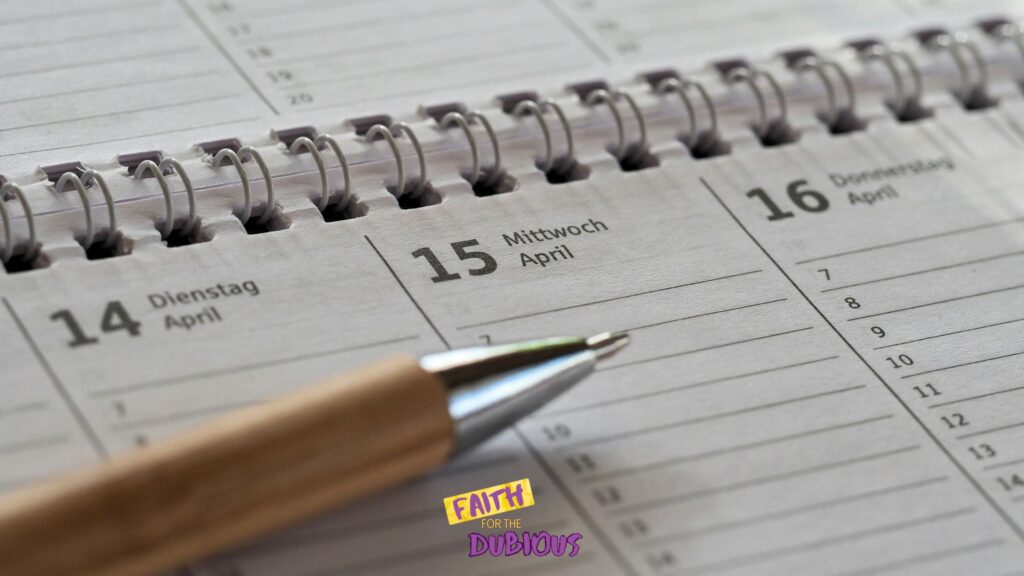
List specific dates, delivery times, and specific instructions in plain language. If someone needs a gate code or one of the phone numbers for arrival, include only that. If not, skip the extra detail. Spread meals out, because every day doesn’t need to be filled.
The sign-up process should also stay simple for community members. A paper list can work. So can an online tool. Whether someone signs up through email, a church group chat, or an app, the point stays the same: make it easy to join and easy to follow.
Offer flexible help, not just casseroles
A homemade dinner is a great way to help, but it’s not the only great way. In fact, flexible support often fits better.
Think of other needs a person or family might have that fall outside of getting dinner on the table. Gift card options can cover takeout, groceries, or coffee after a sleepless night.
Freezer meals stretch farther than same-day dinners. Breakfast casseroles help rushed mornings. Paper goods matter. So do school lunch help, child pickup, pet care, and meal deliveries from local places.
That’s especially true during a major life event or a tough time. The best way to support people is to ask what will actually serve the whole family, then give them that.
Checklist: How to Start a Meal Train and What to Do Before the First Delivery
Before anyone signs up, make the plan simple and clear. This is the part that will make sure that your recipient(s) end up well-cared-for and supported during whatever it is that they’re going through.
Checklist of what to do so the meal train runs smoothly
If you want to run a smooth meal train, here are some basic tips to help things run smoothly and be beneficial to the person on the receiving end of things.
- Ask permission first: Never assume the family wants meal sharing.
- Choose one coordinator: One person should manage updates and questions.
- Confirm the recipient’s needs: Ask what would actually help this week. (Meals, transportation, pet care, housework, etc.)
- Note dietary preferences and food preferences: Write them down where volunteers can see them.
- List dietary restrictions clearly: Don’t make people guess.
- Set delivery times: Give a clear window, not a vague “sometime tonight.”
- Name meal types: Breakfast, lunch, dinner, freezer meals, snacks, or meal options from a restaurant.
- Use disposable containers: That keeps container returns off the family’s plate.
- Add reheating notes if helpful: Keep them brief and readable.
- Spread out meal deliveries: Leave room between drop-offs.
- Build in room for additional help: Add gift card, errands, or pet care slots.
- Express gratitude to volunteers separately: Don’t make the family manage thank-yous.
Checklist of what not to do if you want to lower stress
Make sure to clearly communicate expectations to anyone who signs up to help. This ensures that service comes first, and not getting brownie points for doing a good job.
- Don’t assume everyone wants visitors: Drop-off can stay at the door. Insisting on a visit makes it about you, not the person who is receiving.
- Don’t flood the family with messages: The coordinator should filter communication to keep the recipient from being bombarded.
- Don’t send food they can’t eat: Ignoring food preferences is rude, period.
- Don’t ignore dietary restrictions: A kind meal that makes someone sick is not kindness.
- Don’t show up early or late: Respect their schedule and needs, so as not to disrupt their recovery.
- Don’t require container returns: It’s not a gift if you’re assigning homework. Just use disposables.
- Don’t post private details: Keep updates brief and approved.
- Don’t overfill every day on the meal calendar: This can overload people with more than they can use.
- Don’t treat a gift card like a lesser option: It can give flexibility and agency to someone who needs support.
What good follow-through looks like after the first week
People often start something like a meal train with lots of urgency, but unless there’s someone who keeps momentum going, it’s easy for it to fade away over time. However, the weeks after that initial burst are a great time to rally support.
Space meals out after the first few days. Check whether the whole family still needs support. Adjust the plan as life’s disruptions shift.
Someone might need fewer dinners but more grocery help, rides, or help with kids. The receiving end often needs steady, low-pressure support more than one loud burst of attention.
How to Start a Meal Train With Respect (Instead of Drama)
While it’s important to have good systems in place for your meal train, you also need to decide what kind of church you want to be in the process.
It will be up to church leadership to cultivate this expectation from the get-go and make sure it endures along the way. You’ll need both good systems, along with a culture of respect and service, to make this a truly impactful ministry.
Always treat recipients as the experts in their situation, because they are
Some churches LOOOOVE to make their service work a spotlight. We’ve all seen this kind of church group. But if you want to do the work that we are called to, often, it looks more like setting down groceries on a porch and moving along.
Build trust with the people you’re serving by having good communication, consent, privacy, and following their lead. (Even when you might wish they’d let you do something more or different!)
They know what they need, and if you want to be a church that’s known for service, instead of meddling, it’s important to respect their choices.
Let meal sharing be part of a broader support system
Meal sharing is an excellent way for a church to love its neighbors, which is great. But there are so many other needs that people can use support with.
A new baby may bring sleep loss and laundry chaos. New parents may need diapers, paper plates, or an afternoon off. A grieving family may want prayer, errands, or a gift card more than they want a casserole. During a major life event, people often need rides, child care, or someone to handle the dog.
Whoever coordinates your meal train should check-in regularly with the recipients and ask what sort of support they need for the coming week. This ensures that help is happening in a way they need and meeting needs along the bumpy road to recovery.
Make it easier for community members to help well
People often want to help. In order to do so, they need clear instructions. When the meal train page gives straightforward guidance, community members can jump in without guesswork.
Keep expectations shared and simple. Say what helps, what doesn’t, where to drop food, when to come, and whether contact is welcome. A short page often works better than a long one. Less clutter means less confusion.
That also protects the family from having to repeat themselves. And really, that’s the point. Good meal train work should shield the people receiving help from more hassle.
Related Post: 17 Church Outreach Ideas
How to Start a Meal Train: Pick a Coordinator and Start Serving
A meal train should act as part of a support network that can help a hard season feel at least a little bit easier. It’s important to start with a dedicated coordinator who can also act as an advocate for the recipient and their needs, wishes, and preferences.
From there, establish an organized way to communicate with volunteers or community members who want to pitch in. Checking in along the way can ensure that things continue to be helpful in a way that matters.
If your church wants to be of service, learning how to start a meal train and run it with efficiency and dignity is a great place to start.