
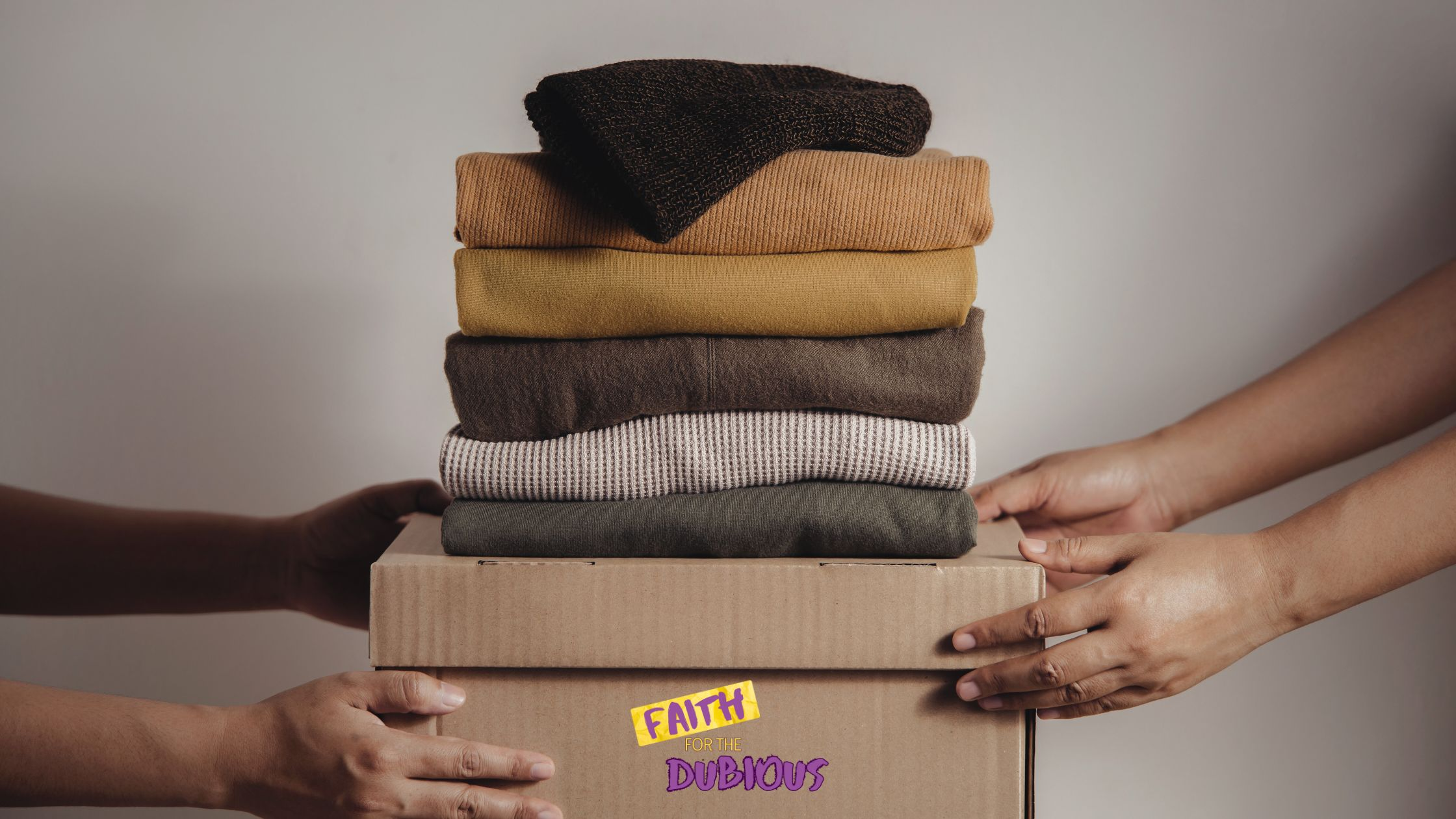
If you’re part of a church group or you’re a community member who wants to serve well, you’re already asking the right question: Where can I donate clothes for the homeless so they meet real, immediate needs?
This guide gives you a clear plan with options that work whether you’re donating one warm coat or organizing a full-on drive.
Start With What Shelters and Outreach Teams Need Most When You Donate Clothes for the Homeless
Homeless shelters and street outreach teams run on tight space and tighter schedules. So the most effective thing you can do is check what they need this week, not what you feel like giving away.
Needs shift fast. Cold snaps hit, and everyone needs a warm coat. A job fair opens up, and suddenly work clothes matter. A family arrives, and the urgent request becomes children’s clothing. Also, many guests manage chronic pain or mental health challenges, so clothes that are easy to put on, easy to wash, and easy to keep track of get used the most.
Before you load the trunk, call ahead or check the shelter’s web page. You’ll save staff time, and you’ll keep your donation from becoming a backlog that takes valuable energy from staff and volunteers. When you match appropriate clothing to what shelters actually need, you help faster.
A quick donation checklist (clean, season-ready, easy to wear)
Use this as your last five-minute check before you donate. It’s simple, but it makes your gift usable right away.
- Freshly washed: No smoke smell, no pet hair, no “it’s probably fine.”
- No stains or tears: Small holes spread fast, and staff can’t repair everything.
- Current season: Cold-weather gear in winter, breathable layers in summer.
- Sizes labeled: If tags are missing, add a sticky note with size.
- Sturdy shoes: Closed-toe shoes that can handle walking.
- Socks and underwear: These usually must be new for health reasons.
- Winter extras: Coats, hats, gloves, and blankets (ask first, but winter often means yes).
- Bag by type: One bag for tops, one for pants, one for kids, one for shoes, so that staff can move faster.
These should be baseline for any donations given, and by doing a last sweep, you’ll be doing a favor to the staff, volunteers, and participants for the program you’re giving to.
What not to donate, and why it can slow down help
Some items cost more time than they’re worth, even if they were expensive new. If a zipper is broken, the garment won’t last. If shoes hurt, they’ll do more harm than good (if they get worn at all). Items requiring special washing may sit.
Avoid donating:
- Torn items, missing buttons, broken zippers, or strong odors
- High heels, single shoes, or shoes with smooth soles
- Bulky coats or big bags of household goods without a request from the organization (storage is limited)
- Random “maybe useful” household items like mismatched hangers, old décor, or half-used toiletries
Shelters aren’t a dump site. They’re a service for people in need, and every minute volunteers have to spend sorting unusable items is a minute not spent serving people who need it.
Best Places to Donate Clothes for the Homeless (And How Each Option Works)
You have a few solid paths, and each one helps in a different way. The most direct route is giving to programs that serve homeless individuals face-to-face. After that, some donation programs sell items to fund services, which can be essential for people facing homelessness.
If you’re unsure where to start, pick the option that matches your capacity. Can you drop off this week? Do you need a pickup? Do you have clothing plus extra essential items?
Homeless shelters and street outreach programs (most direct help)
If your goal is “clothes go to people who need them right now,” start here.
Ideally, you can check the website or social media page of local outreach programs to see what their needs are. I recommend doing this FIRST, so that you get accurate information without typing up a volunteer’s time. If you can’t find the information you need, call and ask what they’re accepting, because many shelters separate needs by population.
Men’s items and women’s items aren’t always interchangeable, and family shelters may prioritize kids. You can also ask if they need bedding, rain gear, or hygiene kits. Often, the best donation is a small set of basics that can go out the same day.
Ask a few practical questions:
- Do you accept drop-offs, and what are your hours?
- Do you have a donation station, or do you need an appointment?
- Do you need work clothes, casual layers, or outerwear right now?
- Can you accept household items at all, or only clothing and hygiene?
Some shelters also support move-ins, but they usually take household goods only when they’ve matched them to an apartment placement. When you respect their system, you help them move faster.
The Salvation Army, Thrift Stores, and Adult Rehabilitation Centers (Donations That Fund Services)
Sometimes you can’t get to a shelter during donation hours, or the shelter is full on clothing. That’s when thrift-based programs help.
The Salvation Army is a well-known example, and many locations run adult rehabilitation centers. I approach this option with caution, due to their spotty, at best, history with the LGBTQ+ community. Sometimes, though, it may be the only option to get clothes into the hands of people who can use them. I encourage you to do your own research and decide how you feel and/or whether there’s a better option for you locally.
Salvation Army and similar programs often fund services through donated goods, and they may also offer clothing vouchers or low-cost items for people trying to stabilize. In other words, your bag of jeans might not go straight to a shelter closet, but it can still support someone’s new life and their path toward permanent housing.
Local thrift options matter too. Many cities have nonprofit thrift shops and family stores that support a nonprofit organization through resale. This can also help conscious shoppers who want their purchases to support local services. Check community Facebook groups to ask if anyone knows of such places, as they may or may not always be the easiest to find, outside word of mouth.
You’ll also see donation bins near retail stores in some areas. Those can be useful, but confirm who runs the bin before you give. If the operator isn’t clear, pick a better option. You don’t want to end up contributing to mass overseas clothing pollution.
Make Your Donation Easier for the Nonprofit and More Useful for Your Neighbors
If you’ve ever helped set up a church potluck, you already get this: organization creates space for connection and direct service. Sorting your bags and labeling sizes doesn’t feel spiritual, but it frees up staff time for needed services that make a big difference.
Start by separating clothing into categories (men’s, women’s, kids, coats, shoes). Then label each bag. If you’re donating as a group, set a simple standard so everyone brings usable items. Also, choose a pickup date only after you confirm the program offers pickups, because surprise piles are a mess for everyone.
This is also where special events shine. Coat drives, back-to-school collections, and winter gear drives work best when they’re run in partnership with local programs. These new partnerships keep church energy pointed in the right direction, and they keep donations aligned with real requests. If you want to involve young people, give them leadership roles like sorting, labeling, and making delivery appointments (with adult support).
How to find local drop-off locations fast (without guessing)
You don’t need insider connections. You just need a clean process and a little patience.
- Search your city name plus “homeless shelter donations” and “street outreach donations.” You can also ask in community Facebook groups or on Next Door to see if anyone has local recommendations.
- Check accepted items and hours for potential drop-off sites.
- Call to confirm, because hours change and storage fills up.
- Ask about local drop-off locations, parking, and whether there’s a staffed donation station.
- Follow their drop-off rules, and don’t leave bags outside after hours. This is a great way to ruin otherwise helpful donations and cause cleanup headache for volunteers and staff. Don’t do it.
Leaving bags outside creates extra work, and it can ruin clothes in bad weather. So even when you’re in a hurry, stick to the plan.
If You Want to Help Beyond Clothes: Wish Lists, Monthly Giving, Community Events, and Move-In Support
Clothes are a great, low-barrier way to help people in need, but there are so many other ways to get involved!
Many programs maintain an Amazon wish list so donors can buy the exact essential items that participants need (socks, underwear, hygiene supplies, blankets, bus passes). This reduces waste, and it gets supplies into the right hands quickly.
If you’re participating in an Amazon boycott (awesome!), check the list for what they need, and see if you can get supplies from somewhere that better aligns with your values.
If you want a steady way to support, set up a monthly gift. Predictable funds help a shelter keep case management staffed and keep outreach going even when donations slow down.
Additionally, ask about move-in support. When someone moves into a new home after a long stretch outside, targeted household goods can make the difference between “I have an apartment” and “I can live here.”
Some programs accept beds, dishes, and small furniture only when a partner agency requests it, because they match items to an address and a move-in date. Many shelters will post these kinds of needs to social media pages, so make sure to follow any organization you want to support.
Also, some donors in the United States can give through qualified charitable distributions from an IRA. Talk with a tax professional first, but it can be a good option if it fits your situation.
Go Beyond Your Mission to Donate Clothes for the Homeless with Community Event Support
Finally, if you want to get deeply involved, find out if local organizations are hosting any kind of community outreach events to help their participants or if they would like help organizing them.
If you have any skills that could help contribute to an existing event, such as haircut days, laundry days, or other service-based events, look to these options to get involved on a more personal level.
Donate Clothes for the Homeless…Then Take the Next Step in Service
If you’re wondering where to donate clothes for the homeless, the best path is simple: check immediate needs, choose the channel that fits (homeless shelters and outreach first, then thrift programs like the Salvation Army), and prep items so they’re ready to use. When you donate appropriate clothing and respect each program’s process, you don’t just clear a closet, you help build a second chance.
Set a date with your church group, invite community members, and partner with a local nonprofit organization so your next donation run is organized, timely, and truly useful. Then ask one more question: what would it look like to turn this into ongoing support, not a one-time drop-off?