

What better way to celebrate spring as a season of renewal and hope than with an Easter food drive? For many of us, Easter is imagined as filled Easter eggs, decadent brunch, and candy and desserts galore. But for people who are struggling to make ends meet or going through hard times, Easter can be just one more hurdle to manage.
By hosting a food distribution that offers free, nutritious food to people who may not otherwise have access to it, we can bring the joy of spring and the Easter holiday season right to our own communities. Offering free food is one of the most effective ways to share the gifts that we have been blessed with.
This post walks through how to start or strengthen an Easter food drive in your church or faith-based organization. You will see why this season matters, how to plan with real neighbors in mind, how to involve your full church community, and how to run the whole thing with dignity from start to finish. Think of it as a step-by-step guide for those who want their faith to show up in the checkout line.
Why an Easter food drive matters in your community
Food insecurity is simple to name, even if the causes run deep. It means community members do not always know where the next meal will come from. It means choices like paying rent or buying groceries, picking up medicine or filling the pantry.
Around Easter and spring, this pressure often grows. Holiday food traditions collide with higher costs, and kids may be home more due to school breaks. Families feel the gap between what they wish they could offer and what they can actually put on the table.
So an Easter food drive matters because it does three things at once. It honors the story of resurrection with something concrete. It lightens the load for families during a tough season. And it invites your church to move from nice ideas to healthy food that people can actually cook and eat.
Connecting the Easter story to feeding your neighbors
One thing I love about the story of the life of Jesus is that it doesn’t leave out the Mundane. We often see Jesus feed people. Breaking bread at a table crowded with friends, doubters, and future traitors. Grilling fish for tired disciples on a beach. Feeding crowds with loaves and fishes that someone was brave enough to share. What interesting and specific things to include in the gospels.
And if the act of sharing food is that important, that it be written in scripture, more than once, even, why shouldn’t it be central to our work as the church? Collecting and distributing food is faith in action.
How food insecurity shows up around Easter and spring
Food insecurity does not pause for holidays. In fact, it’s arguably more daunting.
School breaks can make this worse. When kids are out of school, they may miss regular breakfast and lunch that usually come with the school day. So grocery lists grow longer right when budgets already feel tight.
Holiday traditions add another layer. People see social media posts of big meals and full tables. They walk past store displays full of chocolate, ham, and fancy desserts. There’s this pressure that happens, and this feeling of, “you’re not enough” that can come along with not being able to provide.
An Easter food drive cannot fix all of that. But it can soften it and make it more manageable. When your church gathers food that matches real needs, you give a bit of breathing room and the chance to mark the season with dignity and joy.
Planning an Easter food drive that truly serves your neighbors
A strong Easter food drive starts long before the first can lands in a bin. It begins with listening, clear goals, and real partnerships.
Instead of guessing what people need, your church can ask the local food bank or food pantries. Instead of trying to run everything alone, your church can join what is already happening in your city. Just because your church wants to be involved doesn’t mean you have to run the show.
Planning like this might feel slower at first. In practice, it saves time, money, and frustration.
Start by listening to local food needs
First, find the people who already know the local food picture. This often includes food pantries, mutual aid groups, school social workers, or community organizers.
You can:
- Call one or two local food pantries and ask what they need most this spring.
- Email school social workers to ask what foods help families during break.
- Meet with a community group that runs meal programs and ask how your church can support.
Ask simple, open questions like, “What foods are most helpful right now?” or “What do families often request that you run out of?” Also ask what helps people feel seen and respected. For example, are there cultural staples or spices that make a big difference?
When you start with listening, you avoid giving random items that sit on a back shelf. You give foods people actually want to cook and feel grateful to receive. It’s less about collecting whatever shows up than collecting intentionally. When you take into consideration the needs of your neighbors, they feel seen and respected. And if that’s not the core of your mission, then I think it’s important that your organization reevaluates why you’re doing service work.

Set a clear, realistic goal for your Easter food drive
Next, decide what you are trying to do in one clear sentence. This keeps the project grounded.
For example:
- “Our goal is to provide 50 complete Easter meal kits for local families.”
- “Our goal is to collect 1,000 pounds of food by Easter Sunday.”
- “Our goal is to stock our partner pantry’s top 5 requested items for one month.”
Match the goal to your church size, energy, and timeline. This is SO important. A small church with two weeks to plan will set a smaller goal than a big church with a month and lots of volunteers.
Write your goal in short, plain language. Then use that same sentence in worship, emails, slides, social media, and printed flyers. When people know what you are reaching for, they can picture their part in it. Clear goals give people something to celebrate too.
Choose what you’ll collect
Going along with the theme of Easter, you may decide to do a themed food drive, such as filling Easter baskets with enough food for a nice Easter dinner and some extras. By creating holiday meals in these baskets, you’re taking some of the mental strain off your neighbors who will receive the food boxes or baskets. If you decide to go this route, the best way to move forward is:
- Decide on a template menu for the Easter meals
- Figure out which pantry staples can make up the meal, and which things may need to be purchased later
- If you need extra help, you can ask for monetary donations to help cover the cost of perishable foods to be added later
- Create some cute flyers with the list of pantry items and nonperishable food items that you’ll be collecting
Taking advantage of the Easter basket theme is a great way to boost food donation efforts and get more community members involved…some for the first time!
Choose the right partners and donation sites
You do not have to create a full food program from scratch. In fact, you probably should not.
Start by asking, “Who already feeds people in our area?” That might be:
- A long-running neighborhood food pantry
- A shelter or transitional housing program
- A mutual aid group that runs a free fridge
- A school that hosts a small pantry or backpack program
Then decide if your donations will go mainly to one partner or a few. One partner is simpler for a first-time drive. Several partners might make sense if needs are spread out.
For donation dropoff sites, think about where people already go. That could be your church lobby, a local coffee shop, a community center, or a neighborhood school. Ask each partner for permission, confirm dates and hours, and decide who will pick up food and when. Clear plans now prevent chaos later.
Create a list of most needed and culturally relevant foods
Now you can write a short list of requested foods that match what your partners named. Keep it focused so people know what to buy.
You might include:
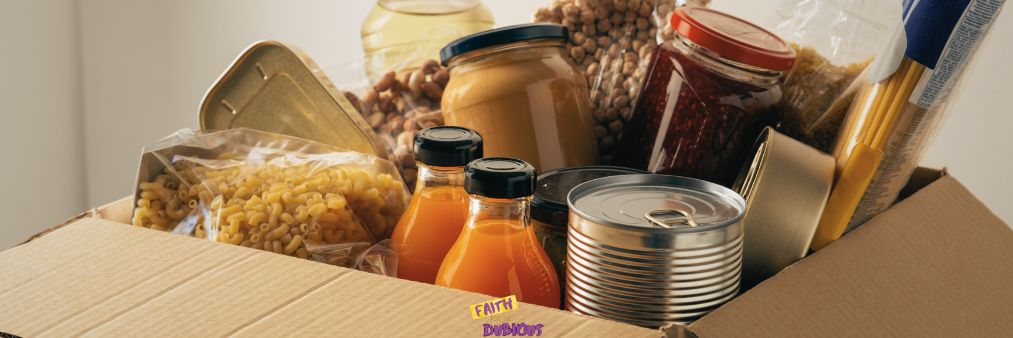
- Shelf-stable basics like rice, beans, pasta, and canned vegetables
- Protein sources like canned chicken, tuna, peanut butter, or lentils
- Simple Easter meal items like boxed potatoes, stuffing, or baking mixes
- Breakfast items for school break, like oatmeal and cereal
Remember that families do not all eat the same foods. So add items that reflect local cultures, such as tortillas, specific spices, or certain grains. Note any dietary needs that matter in your area, like gluten-free options, low-sodium items, or meat-free choices.
Ask donors to bring food that is not expired, not damaged, and still sealed. You can say, “If you would serve it at your own table, it is welcome here.”
Getting your church excited and involved in the Easter food drive
Once you have a plan, it’s time to get people on board. An Easter food drive works best when it feels like a shared mission, not a side project with “you can come if you want” energy that’s run by two tired volunteers.
Clear communication, specific requests, and roles for all ages and abilities will make for a much more successful event.
Share a clear, hopeful message from the pulpit and beyond
How the message is shared with the congregation and community will have the most impact on how successful the event ultimately is. Make sure that whoever is making announcements from the pulpit or posting to social media has all of the talking points, knows how to effectively share them, and provides next steps for people to take.
You can:
- Tie a short scripture reading about feeding people or sharing bread to the food drive.
- Share a brief story from a partner pantry about local need, with permission.
- Create friendly competition between groups within the church.
Repeat this message often. Put the goal and dates in the bulletin, slides, and announcements. Then echo it through emails, text lists, social media, and posters in the building. You should be sharing about this so much that you feel like the most annoying person in the world. But that’s how things get done.
Overall, keep the tone grounded and direct. It’s not a guilt trip, but a way to take action.
Give people simple ways to help, not just to donate food
Money and groceries are important. So are labor, time, and skills.
Make a short list of roles, such as:
- Setting up and decorating collection bins
- Greeting donors during drop-off times
- Sorting food and checking expiration dates
- Packing boxes or bags
- Driving donations to partner sites
- Designing simple flyers or social media graphics
- Praying during worship for families who will receive food
Give clear time frames for each role, for example, “Saturday, 10 a.m. to noon, sorting teams.” Invite kids to decorate signs, teens to move boxes and post online, and older adults to help with greeting, phone calls, or data tracking. When everyone has a way to join in, you’re more likely to get buy-in, and create some great memories together along the way.
Use social media and local networks to spread the word
Social media can expand the reach of your Easter food drive without much cost.
You can write short posts that include:
- Your clear goal in one sentence
- A simple list of 3 to 5 most needed items
- Drop-off dates, times, and locations
Add a photo of your collection bins, a volunteer team, or a simple graphic with the dates and goal. Ask partner groups, neighboring churches, and community organizations to share your post.
Remember that many people are busy. So post updates midweek, closer to payday, and one last reminder near the final collection day. Friendly repetition helps people remember and plan.
Running the Easter food drive with dignity, safety, and impact
Good planning and strong communication set the stage. Now you have to run the drive in a way that respects donors, honors recipients, and keeps food safe.
Think of it as three simple phases: collection, sorting/packing, and reflection.
Make collection and drop-off easy and welcoming
First, set up clear, visible collection points. Use big, sturdy bins or boxes. Label them with simple signs that name the goal, dates, and requested items.
Post drop-off hours that match when your building is already open, like before and after worship or during office hours. If you can, offer a drive-up option, where volunteers meet people at their car to receive donations. That helps people with mobility limits or small kids.
Train volunteers to greet donors, offer a short thank-you, and keep a running tally of donations. A whiteboard that tracks progress toward your goal can encourage people week to week.
Sort, pack, and deliver food with respect
Next comes the behind-the-scenes work. Set up tables for sorting food. Create one area for checking expiration dates, another for grouping items by type, and another for packing.
Teach volunteers to:
- Set aside any expired, opened, or damaged items
- Group similar foods together for easier packing
- Pack boxes or bags that people can actually lift
- Label packages with contents if that helps partner sites
Keep work areas clean, and ask volunteers to wash hands and handle food gently. If your church is distributing food directly, train your team to welcome every person with a friendly smile and simple, non-invasive questions. Don’t interrogate any participants. Smile and greet them, take any information you might need, such as household size, and give them food. That’s all that needs to happen.
Reflect, celebrate, and plan for next year
After the last box leaves, your work is not done.
Set a time to count what was given and who was involved. Then ask your partners for feedback. You can ask, “What was helpful?” and “What would you change for next year?”
Take a few minutes in worship to share results and thank everyone who joined in. Celebrate what your church did together, and pray for the neighbors who received food.
Write down what you learned: what goal you set, what items were most valued, what roles worked well, and where people struggled. Those notes will make next year’s Easter food drive easier, deeper, and more focused.
Conclusion
Easter tells a story of life where people thought the story was over. An Easter food drive is one way to act like that story still shapes what you do with your time, money, and energy.
You have seen the main steps: listen to community needs, plan with partners, set clear goals, invite the full church, and run the drive with dignity and respect. None of this requires a huge budget or a perfect team. It requires a willing church and a bit of tenacity.
So here is your next move. It’s time to talk with a pastor or leader about starting, reviving, or strengthening an Easter food drive. Or call a local food pantry and ask what would help most this spring. Or gather two or three people and start planning.
Easter is coming either way. The question is simple: how are you going to share the true meaning?