
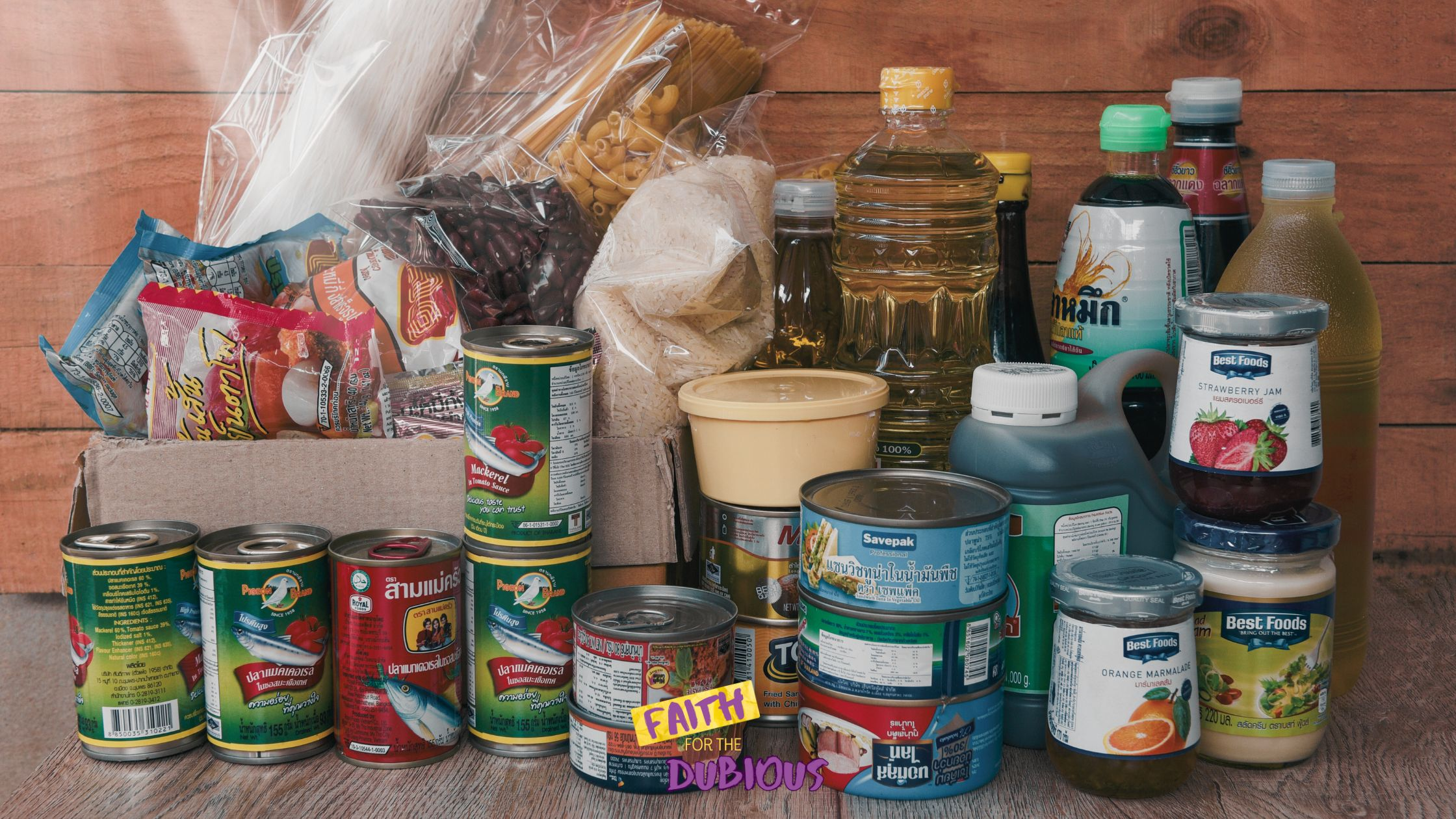
It’s no secret that there’s an issue with food insecurity in the United States, which leaves many people who want to help asking themselves, “Where can I drop off food donations?”
With economic challenges mounting, many families struggle to find any food, let alone healthy food. Here are some ideas of places to drop off food donations, as well as other things to consider when making your food drop.
Where Can I Drop Off Food Donations?
There are a variety of places that probably take food donations local to you. Here are some things to consider before you drop off food donations:
- Types of donations that each place is looking for
- Which items may be most needed
- Whether it is important to you to connect with the mission of the organization (if applicable) that you are donating to.
Here are some places you may consider as a place to drop off food donations.
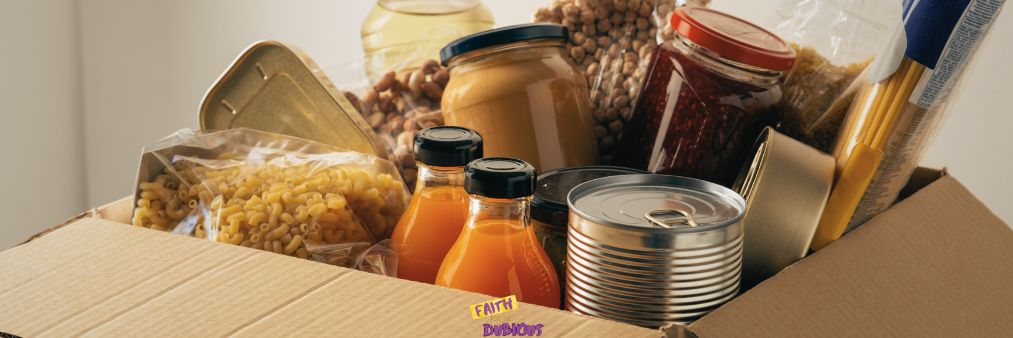
Local Micro Pantries
You may have seen these, or perhaps just passed by them without even realizing it! Micro pantries are generally some kind of small cabinet that is stocked and maintained by the community on a “give what you can, take what you need” type basis. This is a great way to reach people directly, as oftentimes, they’re used by people right in your community, including those who may be unhoused.
Because of the nature of micro pantries, these food donations should be things that require little to no preparation. More on the types of things to donate to a micro pantry below.
If you’re unsure of micro pantries in your community, consider paying more attention when you’re out and about. These can frequently be seen outside of churches, libraries, and organizations that help people who struggle with poverty or being unhoused. A great way to find out if there are micro pantries in your community is to ask in community Facebook groups.
Mutual Aid Organizations or Community Centers
Mutual aid organizations are a great drop-off location for food donations. This is another way to get food directly into the hands of community members who need it right away. These organizations are becoming more popular and often offer other services like computer access, clothing closets, and assistance with signing up for resources.
Additionally, if you have an organization like this locally, they may also take donations of household items and hygiene items.
Churches or Charitable Organizations with Food Outreach Programs
While, in my opinion, every church should be doing some kind of direct action in the community, you may or may not find churches in your community that take food donations. If you do, ask about the type of needs they have, because, depending on their specific approach, they may need different things.
Some churches may operate more like a food pantry, offering a bag of groceries to those who stop by, or others may operate as soup kitchens, providing a hot meal on a specific day of the week.
Free Stores
Free stores are popping up in a lot of places and are exactly what they sound like. Most offer donated clothing and household goods for free or by donation to anyone who wants to come in and shop. The location near me often takes non-perishable food donations to be able to give free food to anyone who may need it.
Your Local Food Pantry
Finally, your local food pantry is a great place to give that probably regularly needs the donations. Check ahead of time to see exactly what they might need to stock their shelves. For instance, there are a lot of viral posts about making “birthday cake kits” with the box of cake mix and a can of soda, frosting, and candles. I asked the woman who runs the food pantry local to me and she said that several of the recipients had tried making the cakes and said they were too soggy, and that the kits themselves weren’t really popular.
Food Banks vs. Food Pantries
A lot of times, you’ll hear people use the terms food bank and food pantry interchangeably. But there’s actually a bit of a difference between the two.
Food banks are large warehouses that store literal tons of food for distribution. Most of the time, food banks act as the distributor for local food pantries where people actually receive their food.
Food pantries are more often what people mean when they talk about receiving food or making a food donation. These are often smaller and have a direct connection to the community. Many are supported by larger food banks, but some rely only on donations from the community. They’re also often the recipients of food that is collected at community food drives and other local initiatives.
What Should I Give When I Drop off Food Donations?
If you’ve never given to a food pantry or other food outreach program, you may be wondering, “What should I include in my food donation?” There are a few things to consider when making a food donation.
Drop off Food Donations of Quality Items
First off: NEVER donate items that are damaged, past their expiration date, or otherwise compromised. This is Food Donation 101.
Consider the dignity of the people to whom you intend to donate. Most likely, they’re facing some type of financial hardship. The last thing they need is to pick up a food donation, hoping for some relief, and find things that are expired, damaged, or possibly dangerous.
If you’re using places to donate food as a dumping ground for your trash, reconsider your motive and do some self-reflection. Sorry, not sorry. Always donate food that is well within its use-by date and in otherwise good condition.
Items Right for the People Who May Use That Resource
Now that we have that out of the way…The second thing to consider when deciding where to drop off a food donation is the circumstances of the people who will be using that resource.
For instance, often, people visiting a micro pantry have different needs than people who go to a drive-up food pantry.
In my community, the people who visit the micro pantry are typically unhoused. (This means they probably don’t have access to a kitchen or even a can opener.) Additionally, the recipients may be kids who are looking for a snack after school if food is scarce at home. Of course, all kinds of people visit all the different types of resources, but this just happens to be the case where I live.
On the other hand, people visiting a drive-up food pantry tend to be more likely to be housed and have access to a kitchen, so ingredients may get more use when donated to these places.
As a general rule of thumb, always ask the organizers. These are people who have the most intricate knowledge of the community they serve and will help you make sure your donation is put to the best use.
List of Items to Donate to Food Pantries
As mentioned, there may be different needs depending on the typical recipients at a specific food donation organization. Here, I’ll separate it into two main categories.
What to Give When You Drop off Food Donations at Micro Pantries or Mutual Aid Organizations
Let’s start with food items that go well in micro-pantries and mutual aid organizations first:
- Bottled water
- Water flavor packets
- Individual fruit cups/applesauce
- Individual chicken salad/cracker packets
- Granola Bars
- Crackers
- Trail Mix
- Pop-top cans of soup, ravioli, or chili
- Canned tuna or chicken
- Individual macaroni and cheese cups
- Oatmeal or cream of wheat packets
- Pop-Tarts
- Individually-wrapped snacks
- Cereal
- Shelf-stable milk
These items are great in micro-pantries that may serve people who are unhoused, or children who need extra, easy-to-prepare food and snack items.
Drop Off Food Donations at Food Pantries
For your local food pantry, church organization, or free store, it’s best to ask the food pantry team what the needs of their recipients are. That said, these are some often-requested items that I’ve seen:
- Breakfast foods, such as cereal, oats, baby cereal, pancake mix, syrup
- Canned meat such as chicken, tuna, spam, Vienna sausages
- Dry pasta and pasta sauce
- Box Macaroni and cheese ***It’s best to donate the kind with the liquid sauce packet as opposed to powdered, as the powdered kind often requires milk
- Peanut Butter and jelly
- No-nut butter
- Canned beans ***Don’t go crazy here, as they may tend to sit on the shelf a while. Ask your food pantry team before donating
- Cans of soup, chili, ravioli
- Canned vegetables and fruit
- Condiments (I once got a great coupon deal on small bottles of ranch dressing and was so happy to be able to donate eleven bottles that I only paid a dollar for! It’s such a versatile condiment and it was exciting to find a deal on it!)
- Dry goods such as sugar, flour, baking soda, baking powder
- Spices ***Check with your pantry. The local cheer team did a spice drive for our pantry, and it turns out that they weren’t super popular of an item for our community. There’s a viral-ish post that goes around on Facebook that champions spices, but again, ask. your. organizers. They know what their people want and will use.
- Coffee/tea bags
- Baby food
Conclusion: Where Should I Drop Off My Food Donation?
When you’re looking for a place to drop off a food donation, you’re doing a great thing. Whether you decide to go with a hyper-local option, such as a micro pantry or an established organization like your local food pantry, make sure you’re taking the needs of the people who may use that resource into mind. Always consider the people first.
You’re not deciding to drop off a food donation just to make yourself feel good. You’re taking an active part in your community. Finally, make sure all of your donations reflect the dignity of the recipient, both in need and quality.
Many people are struggling in these economic times. By sharing quality food, you’re helping ensure that food insecurity is one less thing they have to worry about. If you want to get started, head to Feeding America and enter your zip code to find organizations near you.
Comments
One response
[…] up to sort food donations at a food […]